How to Season a Carbon Steel Pan: The Complete Guide
Step-by-step guide to seasoning carbon steel cookware. Oven method, stovetop method, and long-term maintenance tips.

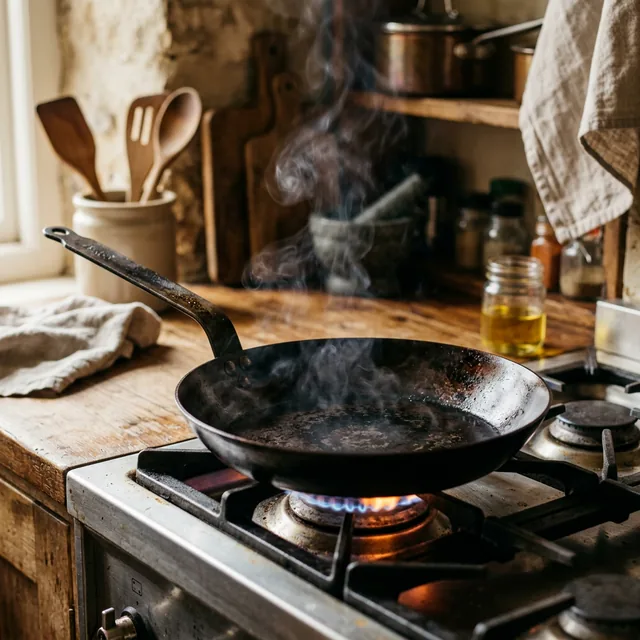
Table of Contents
Affiliate Disclosure: We may earn a commission if you purchase through our links. This doesn't affect our reviews.
Listing check: Amazon titles and photos change. Confirm the steel, length, and model named on this page match the listing before you buy — this is a research note from Nora Whitfield, not a copy of the Amazon product copy.
Why Carbon Steel Needs Seasoning
Carbon steel cookware arrives with a bare metal surface that will rust within hours if exposed to moisture. Seasoning creates a thin polymer layer that protects the steel and provides a naturally non-stick cooking surface. The more you cook with it, the better it gets.
This is the same process that makes cast iron non-stick, but carbon steel has a key advantage: it's thinner, lighter, and heats up faster. A well-seasoned carbon steel pan delivers non-stick performance that rivals synthetic coatings, without any of the durability concerns that come with Teflon or ceramic.
Professional cooks across France and Asia have used carbon steel as their primary pan for centuries. If you are still shopping, our best carbon steel pans guide ranks the top picks before you season one. Here's how to get yours ready.
Before You Start: Strip the Factory Coating
Most new carbon steel pans ship with a protective wax or lacquer coating to prevent rust during shipping. You need to remove this before seasoning.
- Wash the pan with hot water and a generous squirt of dish soap
- Scrub vigorously with a rough sponge or steel wool until the water stops beading on the surface
- Dry completely with a clean towel
- Place on a burner on medium heat for 2 minutes to evaporate any remaining moisture
The pan should now look like bare steel: silvery gray, possibly with some blue or golden tinting from the heat. That discoloration is normal and expected.
Choosing Your Seasoning Oil
Not all oils work equally well for seasoning. The goal is polymerization — heating oil past its smoke point until it bonds with the metal surface and forms a hard, plastic-like coating.
Grapeseed oil (recommended): Polymerizes at a moderate temperature (420°F smoke point), produces a smooth and durable finish, and is widely available. This is a widely recommended choice for seasoning.
La Tourangelle Grapeseed Oil
Flaxseed oil: Creates an extremely hard initial coat because of its high omega-3 content. However, it can flake off in sheets if applied too thickly. Use very thin layers if you go this route.
Crisco shortening: A classic choice that works well. It's inexpensive and forgiving of application thickness. The results are slightly less refined than grapeseed oil but perfectly functional.
Avoid: Olive oil (too low a smoke point, creates soft seasoning), butter (milk solids burn and create uneven coating), coconut oil (can produce a slightly sticky finish).
Method 1: Oven Seasoning (Best for First Coat)
The oven method produces the most even first coat because heat surrounds the pan from all sides. This gives you a uniform layer on the cooking surface, sides, and exterior.
Steps:
- Preheat your oven to 450°F
- Apply a very thin layer of oil to the entire pan — inside, outside, and handle — using a paper towel
- Wipe it again with a clean, dry paper towel until the surface looks almost dry. This is the most important step. If you can see oil pooling anywhere, you've used too much. Excess oil creates sticky patches instead of smooth, hard seasoning
- Place the pan upside down on the middle oven rack with a sheet of foil on the rack below to catch any drips
- Bake for 1 hour
- Turn off the oven and let the pan cool completely inside (about 2 hours). Don't rush this
- Repeat the entire process 2-3 times for a solid base layer
After 3 coats, the pan will have a golden-brown to amber color. It won't be jet black yet — that dark patina develops over weeks of regular cooking.
Method 2: Stovetop Seasoning (Quick Touch-Ups)
Use this method to build additional layers after the initial oven seasoning, or to repair bare spots where the coating has worn thin.
- Heat the pan on medium-high until it just starts to smoke lightly
- Add 1 teaspoon of oil and swirl to coat the entire cooking surface
- Continue heating until the oil smokes and then stops smoking (about 3-4 minutes). The oil will darken and bond to the surface
- Let the pan cool slightly, then wipe with a dry paper towel
- Repeat 2-3 times per session
This method is faster than the oven approach but only seasons the cooking surface, not the exterior. Use it for maintenance between full oven sessions.
Building the Patina: The First Two Weeks
The seasoning you apply manually is just the foundation. The real non-stick surface develops through regular cooking. Here's how to accelerate the process:
Cook fatty foods first. For the first 2 weeks, focus on bacon, sausages, skin-on chicken thighs, fried eggs (use plenty of butter), and pan-fried potatoes. Rendered fat builds seasoning rapidly. Each cook adds another micro-layer to the coating.
Avoid acidic foods early on. Tomato sauces, wine reductions, citrus-based marinades, and vinegar-heavy dressings strip young seasoning. Wait at least 3-4 weeks of regular use before cooking acidic dishes in your carbon steel pan.
Use enough oil. During the break-in period, be generous with cooking oil. A thin film of oil on every cook adds to the patina. After a month of daily use, you can reduce to whatever your recipe actually calls for.
Preheat properly. Carbon steel heats unevenly when cold. Always preheat on medium heat for 2-3 minutes before adding oil. Wait for the oil to shimmer before adding food. Food sticks to carbon steel primarily because the pan isn't hot enough, not because the seasoning is insufficient.
For more on how carbon steel compares to other pan materials, see our cast iron vs stainless steel cookware guide.
Cleaning and Daily Maintenance
After each cook: Rinse with hot water while the pan is still warm (not scorching). Use a brush or non-abrasive sponge. A small amount of dish soap is fine. The idea that soap destroys seasoning is a myth leftover from the days of lye-based soap. Modern dish soap won't strip a well-built patina.
For stuck-on food: Pour a tablespoon of coarse salt into the warm pan and scrub with a paper towel or cloth. The salt acts as a gentle abrasive without damaging the seasoning layer. Rinse, dry on heat, and apply a light oil wipe.
After cleaning: Always dry the pan immediately on a burner for 30-60 seconds, then apply a very thin coat of oil with a paper towel. This prevents any moisture from causing rust before your next cook.
Storage: Store in a dry location. If you won't use the pan for more than a week, apply a light protective coat of oil before putting it away. Don't stack other pans directly on the seasoned cooking surface — use a cloth or paper towel as a buffer.
Troubleshooting Common Problems
Sticky brown residue: Too much oil during seasoning. Scrub the sticky spots with steel wool until smooth, wash, dry on heat, and re-season with thinner coats. Remember: the oil layer should look almost dry before it goes in the oven.
Patchy or flaking seasoning: Usually caused by overheating (the seasoning burned off) or cooking highly acidic foods before the patina was established. Strip the affected area with steel wool, wash, and build up new layers with the stovetop method.
Rust spots: Don't panic. Scrub the rust with steel wool or a chain mail scrubber until you see clean metal. Wash, dry immediately on heat, and apply 2-3 stovetop seasoning coats. Rust is cosmetic and easily fixable.
Food still sticking after multiple seasoning coats: The pan needs more time and more cooking. Keep making fatty foods, use adequate oil, and make sure you're preheating properly. Most carbon steel pans become genuinely non-stick after 4-6 weeks of daily use.
Recommended Carbon Steel Pans
If you're shopping for your first carbon steel pan, these are our top picks:
Matfer Bourgeat Carbon Steel Pan (11.875-Inch)
The Matfer Bourgeat is the industry standard. It's the pan you'll find in French restaurant kitchens. The 11.875-inch size handles everything from two eggs to a full chicken breast sear. Heavy enough for good heat retention, light enough to toss food with one hand.
De Buyer Mineral B Carbon Steel Pan (10.25-Inch)
De Buyer's Mineral B line uses a beeswax coating instead of lacquer, which is easier to strip during the initial prep. The handles are slightly longer and more ergonomic than the Matfer. Both are excellent pans.
Is the Effort Worth It?
Every time. A seasoned carbon steel pan weighs less than cast iron, heats faster than stainless steel, handles higher temperatures than nonstick, and produces better sears than anything coated. The 30 minutes you spend on initial seasoning pays dividends for decades.
Once your seasoning is established, maintaining it takes almost no effort — just cook, clean, dry, and lightly oil. That's less maintenance than most nonstick pans require, and the performance gets better over time instead of worse.
Related Guides: For help choosing a wok (which also needs seasoning), see our wok buying guide. Compare carbon steel woks to cast iron in our stainless steel vs carbon steel wok guide. And if you're considering cast iron instead, check our cast iron seasoning guide.
Nora Whitfield
Writer, Kitchenware Authority
Nora Whitfield writes Kitchenware Authority's reviews and buying guides. Every knife, pan, and appliance is vetted against maker specifications, materials and safety documentation, and the long-run experience verified home cooks report — not first-hand lab tests.
Upgrade Your Kitchen Skills
Get research-based gear reviews, maintenance tips, and buying guides from the Kitchenware Authority desk.
No spam. Research notes from Nora Whitfield, not invented reader counts.